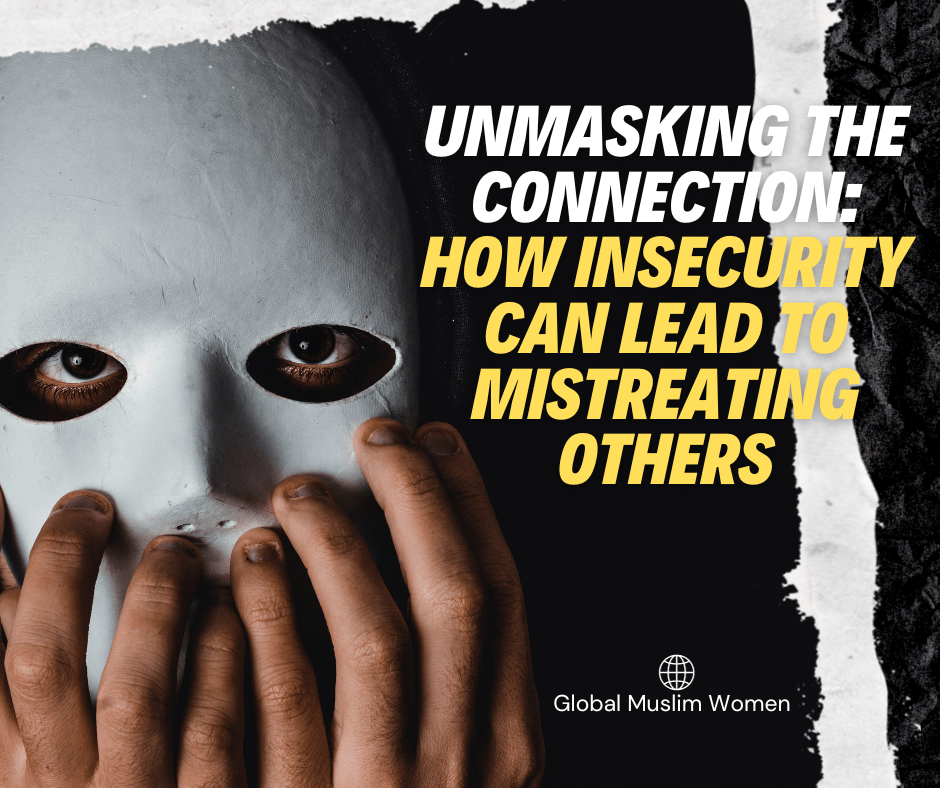
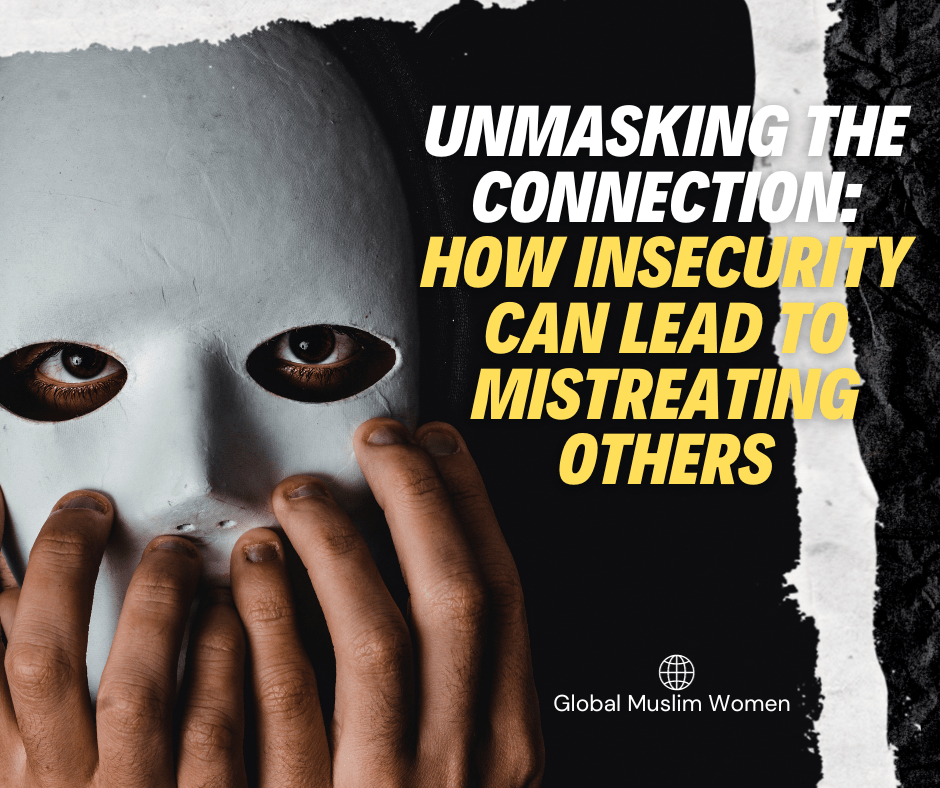
Human behavior is a reflection of a complex interplay of emotions, experiences, and psychological factors. One common but often overlooked reason behind mistreating others is the deep-seated sense of insecurity that some individuals carry within them. In this post, we’ll delve into the intriguing connection between insecurity and mistreatment, shedding light on how these feelings can manifest in harmful behavior.
 Insecurity as a Hidden Culprit: Insecurity is a pervasive feeling that many people experience at some point in their lives. It stems from a lack of self-assurance, confidence, or a fear of inadequacy. When individuals grapple with intense insecurity, they may resort to mistreating others as a way to mask their own vulnerabilities.
 A Defense Mechanism: Mistreating others can serve as a defense mechanism for those who feel deeply insecure. By putting others down or belittling them, individuals may momentarily alleviate their own feelings of inadequacy. This behavior allows them to create a facade of strength and superiority, even if it’s just an illusion
 The Need to Establish Dominance: Insecurity can lead individuals to engage in patterns of mistreatment as they seek to establish dominance and control over others. By diminishing or demeaning others, they hope to bolster their own self-esteem. In essence, this behavior is an attempt to compensate for their internal feelings of weakness
 Fearing Rejection: People who are insecure often have a heightened fear of rejection or abandonment. This fear can lead to patterns of mistreatment, as they may try to distance themselves emotionally from others or push them away before they can be rejected themselves. Mistreating others becomes a way to preemptively protect themselves from potential hurt.
 The Vicious Cycle of Insecurity: Insecurity and mistreatment can create a vicious cycle. When individuals mistreat others due to their insecurity, they may subsequently feel guilt or shame, further intensifying their feelings of inadequacy. This cycle can reinforce the pattern of mistreatment.
 Seeking Validation: Insecure individuals may also seek validation from mistreating others. When they receive reactions or attention from their hurtful actions, it temporarily boosts their self-esteem, albeit in a destructive manner. This reinforcement can lead to a continuous pattern of mistreatment.
 The Impact of Past Experiences: Past experiences, particularly childhood experiences, can contribute significantly to feelings of insecurity. Individuals who have faced adversity, trauma, or neglect may develop a pattern of mistreatment as a way to regain a sense of control over their lives or to cope with unresolved emotional wounds



 Global Muslim Women
Leave a comment